
When clearing out a home, office, garage, or storage space, you may wonder what to do with unwanted televisions, computers, printers, and other electronic devices. Junk Removal services may accept certain electronics, but what they take can vary depending on the company, item, condition, and local disposal requirements. Electronics should not always be placed with ordinary household waste because some devices contain materials that require proper handling and recycling. Understanding how electronics are handled can help you plan a cleanout while reducing the risk of improper disposal. Before scheduling a pickup, it is useful to identify the electronic items you want removed and confirm whether the service accepts them.
Why Is Proper Electronic Waste Disposal Important?
Electronic waste can contain materials that require careful management, including metals, plastics, and certain hazardous substances. When electronics are discarded improperly, these materials may contribute to environmental pollution and waste management problems.
Responsible recycling allows suitable components and materials to be recovered instead of sending everything to a landfill. Choosing an appropriate disposal route also helps ensure that devices are handled according to applicable requirements. Ask your provider whether accepted electronics are directed to a recycling facility or another authorized destination.
How to Prepare Electronics for Collection
Preparing electronics before pickup can make the process more organized. Gather the devices in an accessible area if it is safe to do so, and separate items that may require special handling.
Disconnect cables and accessories, and remove personal data from computers and phones before disposal. Do not dismantle devices or remove batteries unless the manufacturer or a qualified professional advises you to do so. Tell the provider about unusually heavy equipment, damaged batteries, or other concerns before the scheduled collection.

What Types of Electronics Can Be Removed?
Many junk removal companies accept common household and office electronics. Depending on the company’s accepted-item policy, this may include televisions, computers, monitors, printers, keyboards, speakers, DVD players, and other outdated equipment.
Larger electronic devices may also be accepted when the company has the appropriate equipment and disposal arrangements. Because policies differ, customers should provide a list or description of the items when requesting service. This allows the company to determine whether the electronics can be included in the pickup.
Are All Electronics Accepted?
Not every electronic item is automatically accepted by every service. Certain devices may require specialized handling because they contain batteries, hazardous components, refrigerants, or other materials subject to disposal regulations.
Before arranging Junk Removal, ask specifically about the electronics you need to dispose of. Providing the brand, type, approximate size, and quantity can make it easier for the company to determine whether the items qualify for pickup.
Why Should Electronics Be Disposed of Properly?
Electronics can contain materials that should be handled through appropriate recycling or disposal channels. When electronic devices are improperly discarded, useful materials may be lost, while certain components can create environmental concerns.
Proper disposal helps keep electronic equipment out of inappropriate waste streams. Recycling programs may recover materials such as metals, glass, and plastics for further processing. For this reason, checking disposal options before putting electronics in regular trash is an important part of responsible cleanout planning.
Can Old Televisions Be Removed?
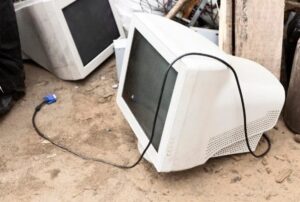
Old televisions are a common item homeowners want to clear out. Depending on the service provider and local requirements, some junk removal companies may accept televisions as part of a scheduled pickup.
Televisions can vary considerably in size and construction, so it is helpful to tell the company what type of television you have. Older models may also require different handling than newer flat-screen units. Confirming acceptance before the appointment can prevent delays and help ensure the television is directed to an appropriate disposal or recycling facility.
What About Computers and Computer Accessories?
Computers, monitors, printers, keyboards, and related accessories are often encountered during office and household cleanouts. However, acceptance can vary based on the company’s policies and local electronic waste requirements.
If you have several computers or other devices, organize them before the pickup and identify what you want removed. You should also remove personal information from computers, phones, tablets, and storage devices before giving them to a disposal or hauling service. Back up important files and use appropriate data-erasure methods to protect your information.
Are Batteries Handled Differently?
Some electronic products contain rechargeable or removable batteries that require separate handling. Lithium-ion batteries, for example, should not simply be placed in ordinary household garbage because damaged or improperly handled batteries can create safety risks.
If your electronics contain batteries, mention this when contacting the removal company. The company can tell you whether it accepts the item and battery together or whether the battery needs to be taken to a specialized collection point.
How Does Electronic Recycling Work?
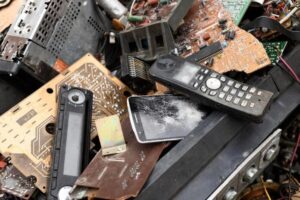
When electronics are accepted for recycling, they may be transported to a facility where different components are sorted and processed. Recyclable materials can include metals, plastics, glass, and other recoverable components.
Some devices may also be refurbished or reused when they remain functional and suitable for another purpose. The exact process depends on the type and condition of the equipment and the facility handling it. Asking a removal company where accepted electronics are taken can help you understand the disposal process.
What Should You Do Before Electronics Are Picked Up?
Preparing electronics before pickup can make the process easier. Disconnect devices, gather related accessories, and keep the items in an accessible location when possible.
For computers, smartphones, tablets, and other devices containing personal information, protect your data before removal. Remove accounts, transfer important files, and securely erase stored information. If a device contains removable memory cards or storage drives that you intend to keep, remove them before the scheduled pickup.
How Can You Confirm Electronics Are Accepted?
The simplest approach is to contact the junk removal company before scheduling service. Describe each electronic item and ask whether it is accepted and how it will be handled.
It is also useful to ask whether there are additional charges for certain electronics or whether special preparation is required. Clear communication helps ensure that the items you want removed are covered by the service and reduces the chance of unexpected restrictions on pickup day.
Conclusion
Electronics can be a significant part of a household, office, garage, or property cleanout, but they should be handled carefully. Some Junk Removal companies accept items such as televisions, computers, monitors, printers, and other electronic equipment, while others may have restrictions based on the type of device or local disposal requirements. Batteries and certain specialized equipment may require separate handling. Before scheduling a pickup, identify the electronics you want removed and confirm acceptance with the service provider. Protect personal information by backing up and securely removing data from computers and other devices. For electronic cleanouts in San Diego, contact Kraken Junk Removal at 619-357-8871 to discuss the items you need removed and available service options.
