
What Should You Keep Before Starting an Estate Cleanout?
Starting an estate cleanout can be an emotional and overwhelming process, especially when sorting through a loved one’s personal belongings. Before removing furniture, appliances, clothing, and household items, it is important to identify what should be kept, donated, sold, or discarded. Making these decisions early can help prevent valuable possessions and meaningful keepsakes from being removed accidentally. Professional junk removal services can also make the process easier by handling unwanted items and clearing out the property efficiently. Whether you are preparing a home for sale, managing an inherited property, or helping a family member downsize, having a clear plan can save time and reduce stress. Knowing what to keep before starting an estate cleanout helps ensure important belongings are protected while the remaining property is organized and ready for its next purpose.
Identify Important Personal Documents
Personal documents should be among the first things you collect during an estate cleanout. These may include birth certificates, marriage certificates, passports, property deeds, insurance policies, financial statements, and tax records.
Keep documents organized in a secure location where family members or the estate administrator can access them when necessary. Some paperwork may be needed to settle an estate, transfer ownership, or handle outstanding financial responsibilities.
Keep Family Heirlooms and Sentimental Items
Family heirlooms often carry emotional and historical value that cannot be replaced. Photographs, jewelry, handwritten letters, antiques, and inherited decorations may have special meaning to relatives.
Before arranging junk removal, give family members an opportunity to identify belongings they would like to preserve. Taking photographs of sentimental items can also help families document possessions and decide how they should be distributed.
Preserve Valuable Jewelry and Collectibles
Jewelry, coins, artwork, antiques, and collectible items should be carefully reviewed before anything is removed. Some possessions may have significant financial value, even if they initially appear ordinary.
Consider having potentially valuable belongings evaluated by a qualified appraiser before deciding whether to sell, distribute, or keep them. Keeping these items separate from unwanted household belongings helps prevent accidental disposal.
Review Financial and Legal Records
Financial and legal records can be essential when managing an inherited property. Look for bank statements, investment information, mortgage documents, vehicle titles, wills, trusts, and other estate-related paperwork.
Avoid discarding documents until the executor or responsible family member confirms they are no longer needed. Keeping important records organized can make estate administration more manageable and help prevent unnecessary complications.
Set Aside Important Furniture and Household Items
Not every piece of furniture or household equipment needs to be removed. Tables, chairs, bedroom furniture, appliances, and other useful belongings may be worth keeping for family members or using in another property.
Inspect each item for its condition, usefulness, and sentimental importance. Separating furniture that will be retained from items intended for removal makes the cleanout process more organized.
Check Storage Areas Before Removing Anything
Garages, attics, basements, closets, and storage sheds often contain belongings that family members may overlook. These spaces can hold important paperwork, family photographs, tools, collectibles, and valuable household possessions.
Take time to inspect every storage area before scheduling a removal service. A careful walkthrough helps ensure nothing important is accidentally mixed with unwanted items.
Ask Family Members What They Want to Keep
Estate cleanouts can sometimes create disagreements when several relatives have different opinions about personal belongings. Discussing expectations before removing anything can help prevent misunderstandings.
Give family members an opportunity to review important possessions and communicate which items they want to keep. Establishing clear decisions early makes it easier to organize the remaining belongings and move forward.
Separate Items for Donation, Sale, and Removal
Once important possessions have been identified, divide the remaining belongings into appropriate categories. Furniture, clothing, appliances, and household goods in usable condition may be suitable for donation or resale.
Items that are broken, damaged, or no longer useful may require professional junk removal. Keeping these categories separate helps reduce confusion and makes the property easier to clear.
When Should You Hire Professional Help?
Managing an entire property cleanout can require significant time, planning, and physical effort. Professional assistance can be especially helpful when dealing with large furniture, appliances, accumulated household belongings, or multiple rooms.
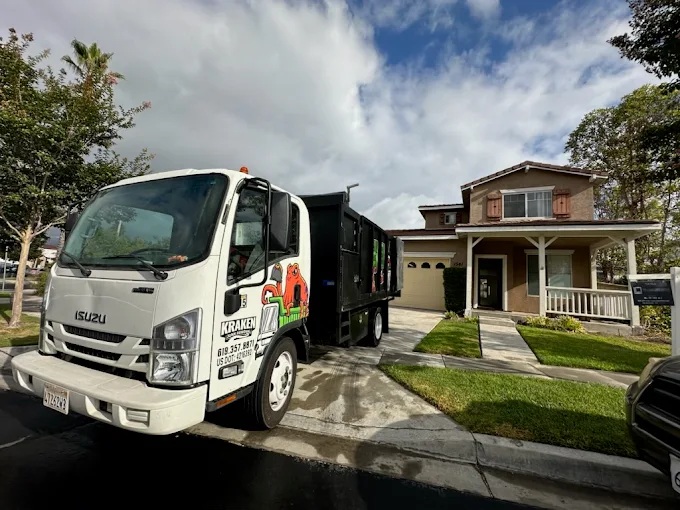
Kraken Junk Removal can help San Diego property owners manage unwanted items and simplify the clearing process. Having a removal plan in place allows families to focus on preserving important possessions while preparing the property for its next chapter.

Frequently Asked Questions
What should you remove first during an estate cleanout?
Start by collecting important documents, valuables, family photographs, jewelry, and sentimental belongings. These items should be secured before removing unwanted household possessions.
How do you decide what to keep during an estate cleanout?
Consider sentimental importance, financial value, usefulness, and whether family members want the item. When uncertain, set it aside until everyone has had an opportunity to review it.
Should you sell furniture before an estate cleanout?
Selling furniture in good condition may help recover some of its value before the remaining property is cleared. Consider the time involved and whether donating or keeping certain pieces would be more practical.
Can junk removal companies handle entire estate cleanouts?
Some junk removal companies assist with removing furniture, appliances, and unwanted household belongings. Contact the provider to confirm the specific services available.
How long does an estate cleanout take?
The timeline depends on the property’s size, the amount of belongings, and how much sorting is required. Smaller projects may take a few hours, while larger properties can require several days.
Conclusion
Knowing what to keep before starting an estate cleanout can make the entire process more organized and less stressful. Important documents, family heirlooms, valuable collectibles, financial records, and meaningful personal belongings should always be reviewed before anything is removed. Taking time to communicate with family members and separate items for keeping, donating, selling, or disposal can also prevent unnecessary disagreements and accidental losses. Once important possessions have been secured, professional junk removal assistance can help clear unwanted belongings and prepare the property for its next purpose. Careful planning ensures that meaningful items are preserved while the remaining work is handled efficiently.
Make Your Estate Cleanout Easier With Kraken Junk Removal
Clearing an inherited property or managing a loved one’s belongings can be a demanding responsibility. Kraken Junk Removal helps San Diego residents simplify the process by providing assistance with unwanted furniture, appliances, and other household items.
If you are preparing for an estate cleanout and need help clearing unwanted belongings, contact Kraken Junk Removal Services at 619-357-8871. Get in touch today to discuss your project and make your property cleanout easier.