
Knowing what a Junk removal company can take makes a cleanup safer, faster, and easier to price. Most professional crews handle common household clutter, furniture, appliances, office equipment, yard debris, and selected renovation materials. However, acceptance depends on item condition, weight, local disposal rules, and the facilities available in the service area.
This topic matters because placing restricted or hazardous materials in a general load can expose workers to danger, delay the appointment, or create additional fees. San Diego customers should identify questionable items before the crew arrives rather than hiding them inside bags or boxes. This guide explains commonly accepted materials, items that may need advance approval, and substances that usually require a specialized disposal provider. It also helps customers separate uncertain items before they interrupt an otherwise straightforward appointment.
Common Household Clutter and Personal Items
Professional crews commonly remove boxes, clothing, books, toys, rugs, decorations, kitchenware, small household goods, and general clutter from closets, garages, attics, and storage areas. Items should be dry, nonhazardous, and reasonably contained so they can be carried without spilling or creating sharp exposure.
Bagging loose lightweight material can speed loading, but customers should avoid making bags too heavy. Important papers, medications, valuables, and personal records should be separated before the appointment. The crew removes approved waste, not items that the customer may later discover were discarded accidentally.
Furniture and Bulky Household Pieces
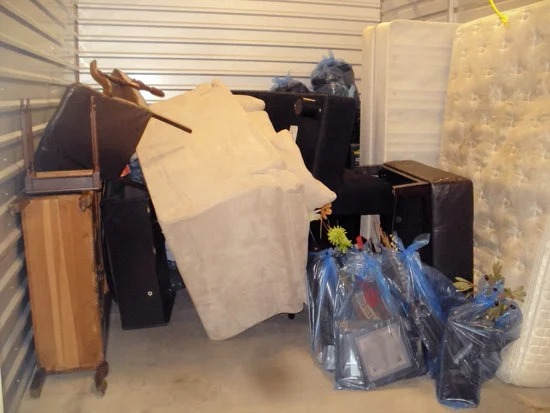
Sofas, chairs, tables, dressers, bed frames, cabinets, shelving, and mattresses are frequent requests. Some pieces may need to be disassembled to pass through doors or stairways. Customers should mention narrow access, upstairs rooms, and unusually large dimensions when requesting an estimate.
Upholstered furniture and mattresses may carry separate disposal charges depending on local facility rules. Professional Junk Removal is particularly useful when heavy pieces must be moved from inside the property. The crew can plan the carrying route, protect nearby surfaces, and assign enough workers for safer handling.
Appliances and Household Equipment
Washers, dryers, stoves, microwaves, dishwashers, and many small appliances are commonly accepted after they are disconnected. Refrigerators, freezers, and air conditioners may require refrigerant handling or additional recycling fees. Gas, water, and hardwired electrical connections may need a qualified technician before removal.
Customers should empty appliances and disclose leaks, damage, or missing doors. Large equipment should not be dragged into the driveway if doing so risks injury or property damage. Photos allow the provider to identify the correct tools and determine whether a surcharge is likely.
Electronics, Televisions, and Office Devices
Computers, printers, monitors, televisions, cables, and small electronic devices may be accepted, but many require specialized recycling. Screens and batteries contain components that should not enter ordinary landfill waste. A provider may charge a separate fee or limit the quantity accepted during one appointment.
Businesses should protect confidential information before releasing computers or storage devices. Data should be backed up and securely erased according to the organization’s policies. Customers should ask where electronics are taken and whether the service includes certified data destruction, because ordinary hauling does not automatically provide that protection.
Yard Debris and Outdoor Materials
Branches, brush, leaves, small logs, fencing, planters, patio furniture, and nonhazardous landscaping debris may be accepted. Soil, sod, rocks, large stumps, and wet organic material can become extremely heavy and may require separate pricing or a dedicated disposal plan.
Outdoor structures such as sheds, playsets, and small decks may involve dismantling before hauling. Nails, treated lumber, roofing, and concrete footings should be disclosed. The provider needs to know whether the request is simple pickup or a demolition project requiring tools, more labor, and additional time.
Renovation and Construction Debris
Drywall, lumber, flooring, cabinets, doors, fixtures, and light nonhazardous renovation debris are often accepted. Dense materials such as concrete, brick, tile, roofing shingles, plaster, and dirt can exceed vehicle weight limits quickly and may be handled under special pricing.
Loads containing asbestos, lead-contaminated material, unknown insulation, or chemical residue require professional evaluation. Customers should never assume that all construction waste is ordinary trash. A clear list of materials helps the company choose a legal disposal facility and avoid mixing incompatible debris.
Items That Often Require Advance Approval
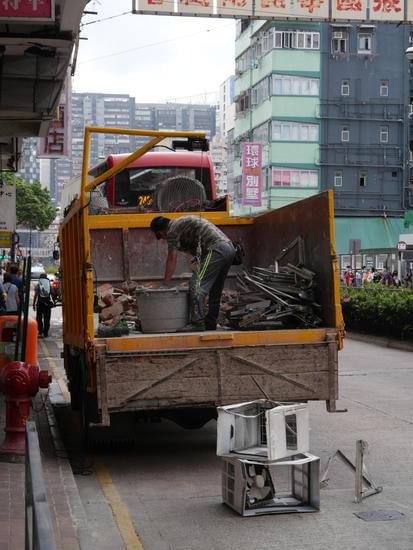
Tires, mattresses, large appliances, pianos, safes, hot tubs, exercise equipment, railroad ties, and oversized commercial equipment often need advance approval. The provider may require measurements, photos, extra workers, or specialized equipment. Some items may be accepted only when a suitable recycling or disposal facility is available.
Approval should be obtained before the crew arrives. Hiding a difficult item among ordinary clutter can disrupt the schedule and change the price. A written response confirming acceptance gives the customer a useful record and helps the dispatcher build an accurate work plan. A qualified Junk Removal team should explain any limits before the appointment rather than after the truck arrives.
Hazardous Materials Crews Usually Cannot Take
Standard hauling services generally cannot accept gasoline, propane cylinders, explosives, ammunition, asbestos, medical sharps, industrial chemicals, pesticides, wet paint, solvents, radioactive material, or unknown liquids. These substances may require a household hazardous waste program or a licensed specialist.
Batteries, oils, fuels, and chemical cleaners should be separated and labeled. Never place them inside boxes, appliances, or bags of general trash. Honest disclosure protects the crew, the customer, transportation workers, and disposal facility staff from preventable exposure.
Conclusion
Professional hauling can remove a wide range of household, office, outdoor, and renovation materials, but every load must follow safety and disposal rules. Furniture, clutter, appliances, electronics, and light debris are often accepted, while dense materials or oversized items may require special pricing. Hazardous substances should always be separated for an authorized disposal program. Customers should request approval for questionable items, disclose dense debris, and avoid hiding batteries, chemicals, liquids, or regulated equipment inside ordinary bags and boxes.
For item-specific guidance in San Diego, contact Kraken Junk Removal at 619-357-8871. Send photos and a complete inventory, including anything heavy, damaged, leaking, or potentially regulated. Clear details allow the team to confirm what can be removed, identify possible fees, and recommend another disposal option when an item falls outside standard service. This preparation protects the crew and prevents rejected loads.